Reclaiming Storytelling with TTRPGs
Rolling dice and spinning yarns together is as old as humanity itself
Even though TTRPGs are becoming more popular between being heavily featured in Stranger Things and Dropout’s Dimension 20 series, people are still caught up in the idea that the hobby is just Dungeons & Dragons, and unless you have a strong urge to steal gold from a dragon, it's probably not for you.
And within the space, there can still be an unspoken sense that it "belongs" to straight white men; that if you are Black, or queer, or a woman (or god forbid, all three!), that you are "entering into" a space rather than claiming a tradition that has always belonged to you.
That's certainly how I felt about it growing up. Even though I was deeply nerdy, I always felt on the outside of the hobby. Medieval power fantasies? Predominantly Tolkienesque European settings where race is a deciding factor in what you can and cannot do? Hard pass.
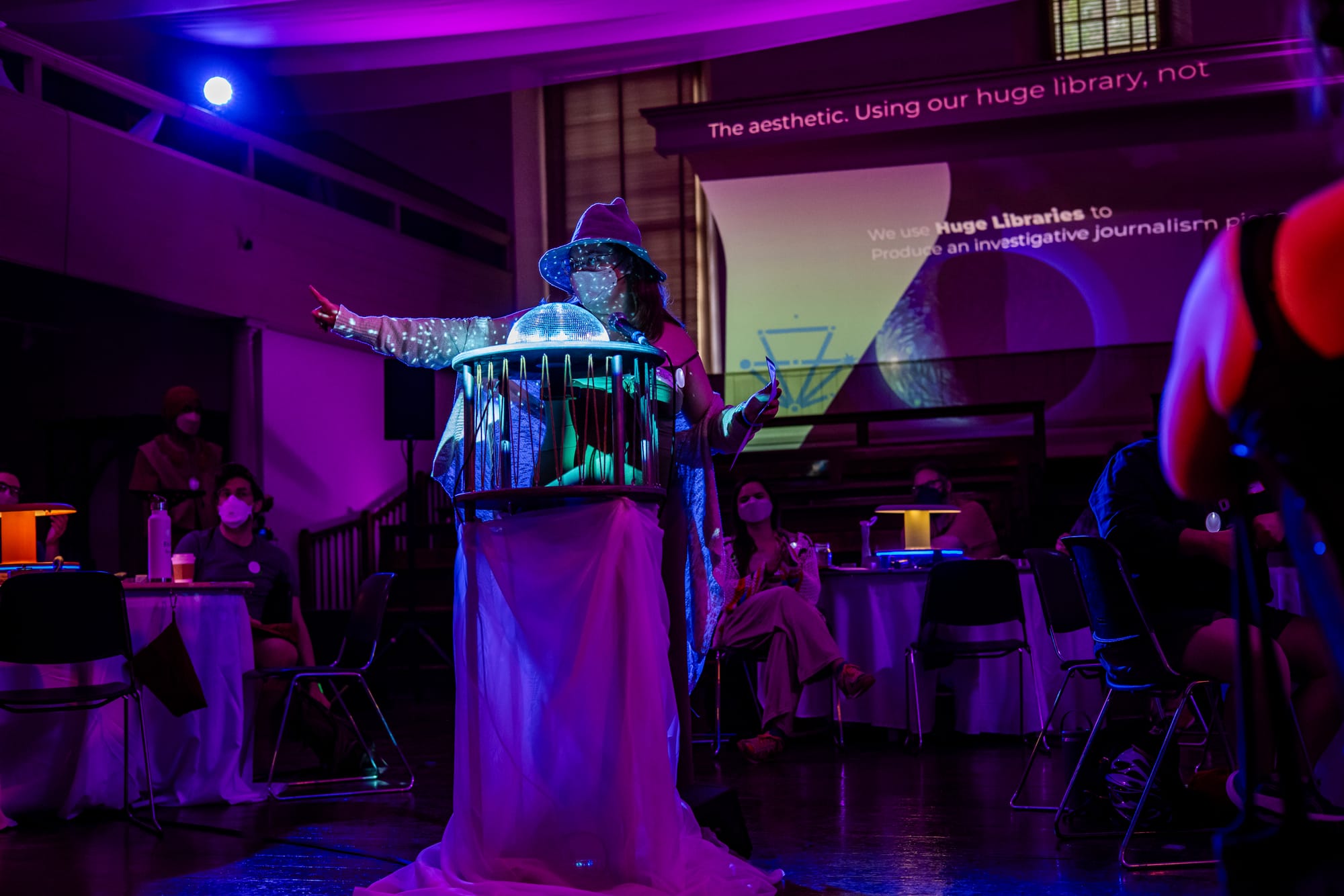
But then I was lucky enough to work as a designer on Space Opera. By sheer luck, I needed to act as Game Guide for one of our early prototyping sessions. I found that not only do I have a particular knack for storyweaving—it is exactly the same sort of storytelling that I had grown up with as a young Jamaican boy, when my father and I would tell stories of make-believe adventures before I nodded off to bed.
Which is to say, it's a fairly new way of doing a very old thing.
Storytelling, in the Jamaican sense, is part of a long line of griot traditions spanning back to the dawn of culture. From the lessons in Anansi stories brought from West Africa, to the deep oral history of a people, the griot is still a vital part of our heritage—and gathering to tell a story is one of the oldest, most fundamental demonstrations of what it means to be human.
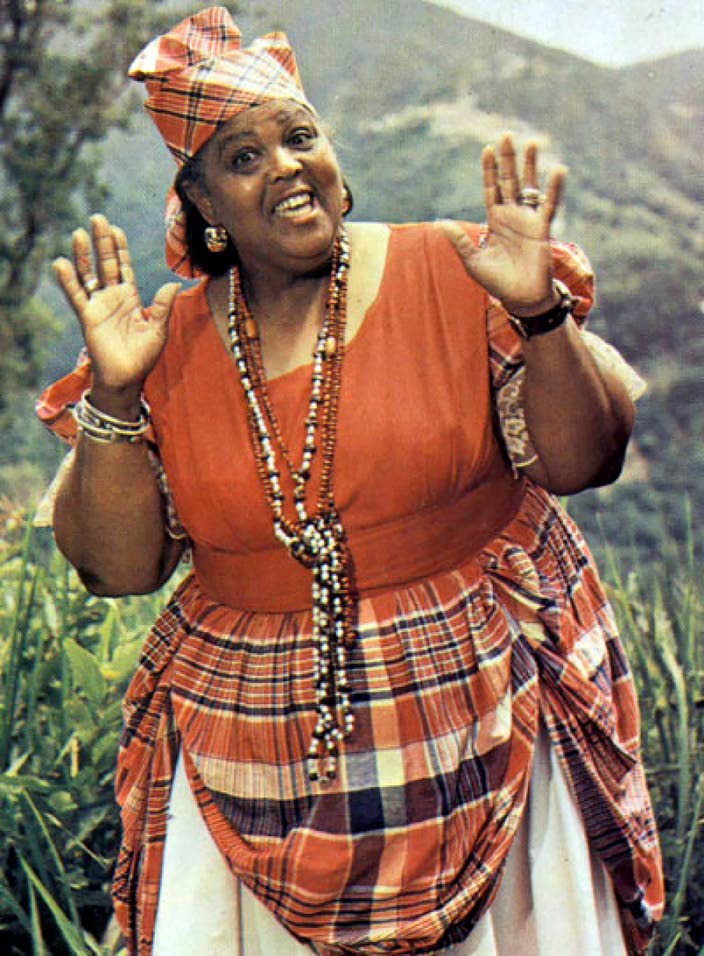
I would never claim to be a capital-G Griot in the historical sense. That tradition and profession is passed down from generation to generation, with training beginning at a young age, and I have neither the training nor the memory to claim that title. But storytelling was a constant presence growing up; to this day, my family will still gather around to recite poetry, tell anecdotes, and share history while making each other laugh and smile.
All TTRPGs do is take that same human instinct to tell our stories, and add rules and dice.
No wonder it felts so natural! Being able to play in this space helps make sense of a chaotic world, draw lessons, and find meaning when tested by force and fortune. Flexing my storytelling skills in TTRPGs has connected me more deeply with my entire culture of storytelling.
Flexing my storytelling skills in TTRPGs has connected me more deeply with my entire culture of storytelling.
As I’ve stepped into this practice, I've found more pieces of myself. I used to write music and poetry hoping to give people the kind of emotional catharsis that I now find on a bi-weekly basis at the table. I have not found a more powerful way to take a table full of strangers and turn them into a unit that navigates conflict productively, voices their needs, and cares about each other as a Readied Action.
The reality of What Is Happening in the US right now is that government, commerce, and media conspire to make us feel separate and alone. TTRPGs are a perfect antidote—there are few more accessible ways to model interdependence and cooperation than to get into some TTRPG shenanigans with your friends.
Importantly, this does not have to mean Dungeons & Dragons! Here's what I'd start with:
roll for shoes
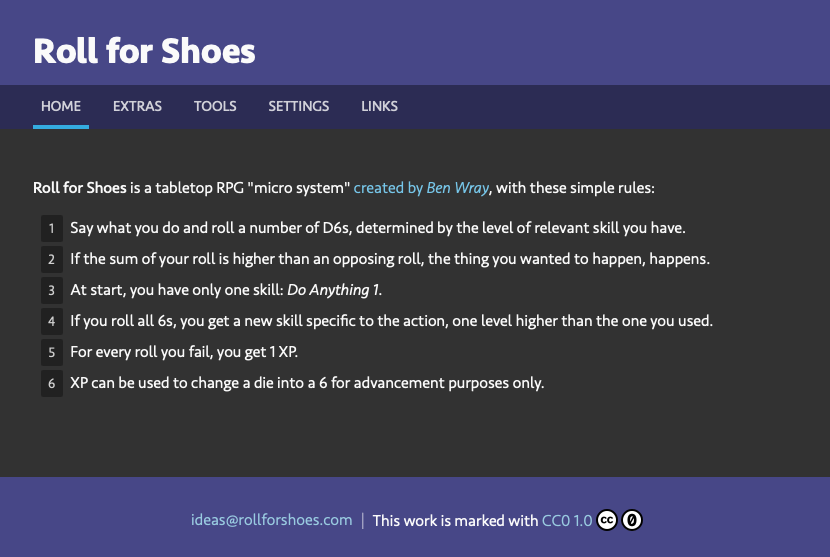
If you've never played a TTRPG before, I would recommend Ben Wray's Roll for Shoes, which barely has enough rules to count as a game. Because of that, it's great for keeping the focus on telling a (often ridiculous) story while introducing the chaos of dice rolls.
griot anthology
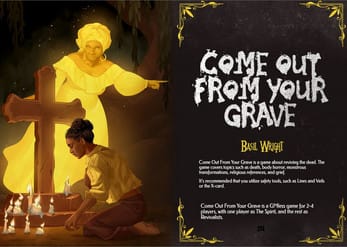
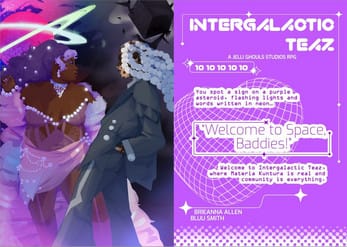
The aptly named Griot Anthology from Thoughtcrime Games is a collection of very beautiful, very accessible, very Black games. It's a great way to get accustomed to a wide variety of play styles, settings, and storytelling conventions.
lazy dungeon master
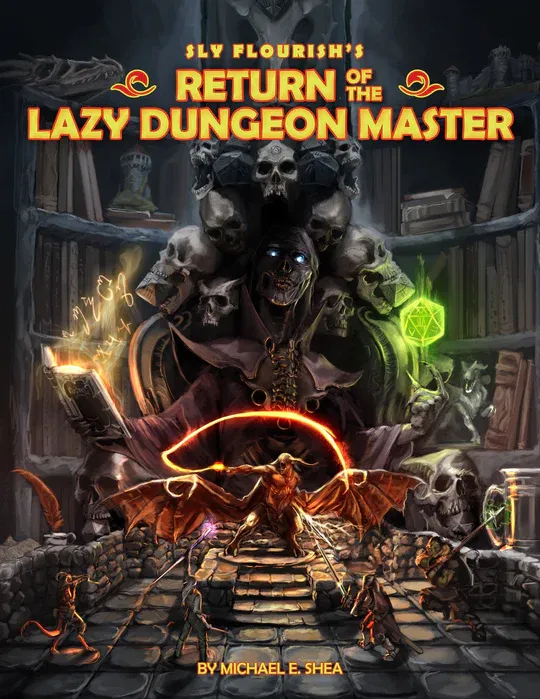
Once you've caught the bug, I can’t recommend Sly Flourish enough — his "Lazy Dungeon Master" method is a solid framework for keeping the focus on making an enjoyable session for your players without burning yourself out on prep.
We could all stand to feel a little more connected these days: to ourselves, to our history, and to each other. I can't think of a better way than getting together on a weeknight to roll dice and tell stories about the worlds we want to see.