Don't flex your muscles; move the weight
Don't overexert yourself just because you're used to the feeling of resistance.
I'm in college, and I'm playing bass, because playing bass is more interesting than doing my schoolwork. My roommate is an avid Rush fan, and the introduction of prog rock into my musical vocabulary has become a bit of an obsession. I've listened to every song in their discography and watched all their concerts on DVD. Him a drummer, me a bassist, we spend nights and weekends playing together.
I'm trying to play Geddy Lee's parts in La Villa Strangiato. Locked between the tabs and the bass are my stupid human fingers, plucking away, trying to keep up with 16th and 32nd notes they simply didn't have the dexterity to play.
It's been a few weeks of practice on a particularly tricky section of this song, and he and I are practicing together. I'm struggling. All my dreams of one day ascending to the Bass God Halls with Victor Wooten, Bootsy Collins, and Meshell Ndegeocello evaporate as my knuckles ache on under the unrelenting procession of notes. Finally, he stops us, cause I'm clearly messing up — how could I not be?
He calls out to me: "Bro, you're playing way too fast."
There is a concept in working out called "progressive overload."
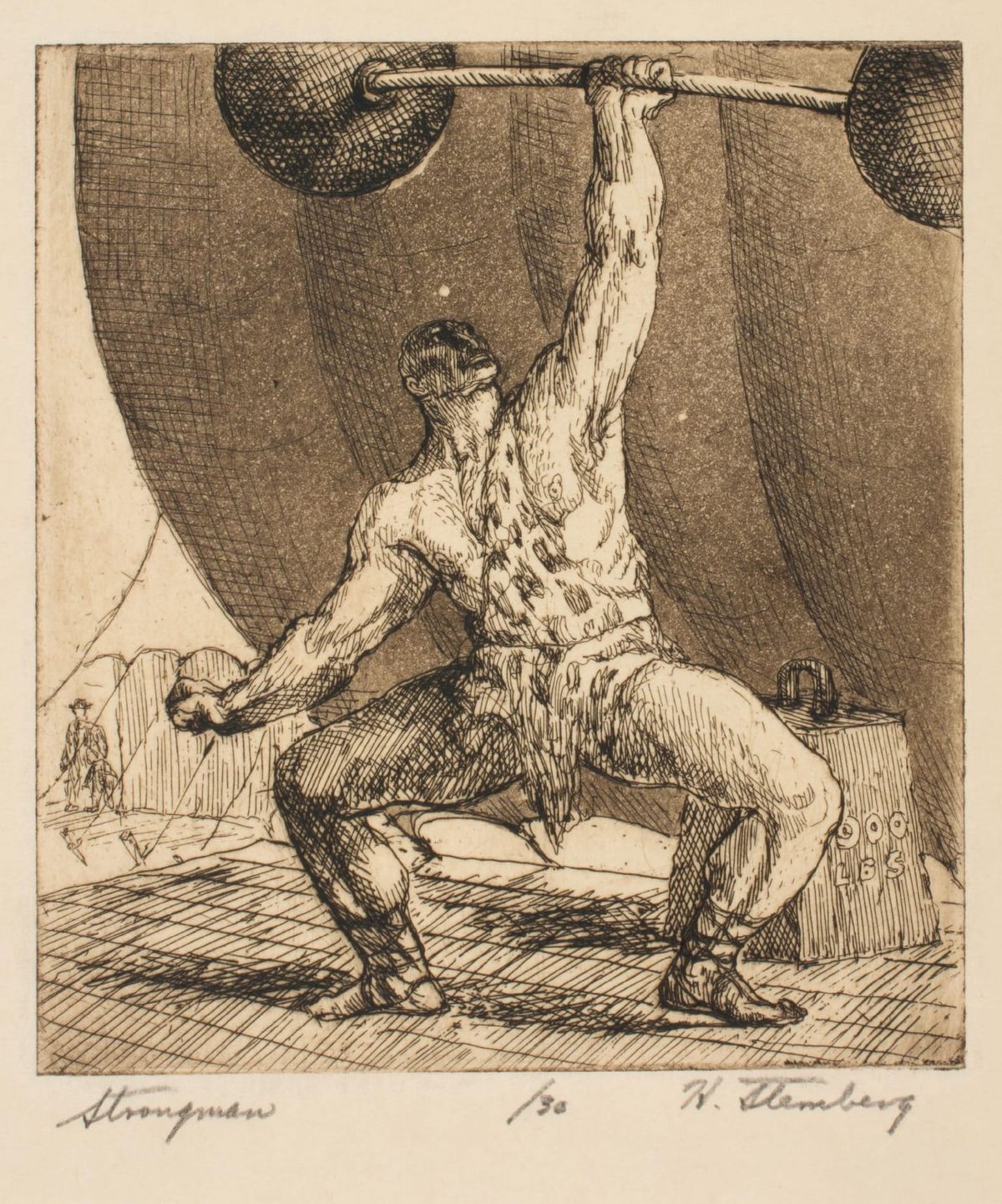
You lift a weight until you can do it for a certain number of reps, a certain number of times at a certain quality. Once you hit that threshold, you immediately increase the weight, because if you're not increasing the weight, you're not getting stronger, and if you're not getting stronger, why are you working out in the first place?
It's always meant to feel hard.
I'm in my 30s during the pandemic, and a muscle in my back spasms as I try to remove a book from a bookshelf. I'm in so much pain I have to take a heavy tincture and sleep better part of two days.
When I finally make my way to PT, my physical therapist observes my range of motion carefully, and she says sweetly, "You've gotten so used to lifting heavy things that it's keeping you from being able to move forward."
Rude.
I'm young, probably younger than eight, bouncing on my dad's knee. He's reciting a rhyme passed down in my family:
Good, better, best
Never let it rest
Until your good is better
And your better best.
We are an immigrant family, and so, we strive. After all, there is no room for there to be any doubt that we deserve the things hard work are meant to provide.
I think that's when I learned what trying feels like in my body.
It feels like sore fingertips and aching joints and going too fast.
It feels like a heart filled to bursting.
What is the point of trying?
It's certainly not to be in pain. It's certainly not to grind bones. The point of playing a song is not to play it as fast you I can, but to play it and play it well.
During the learning time, where it's too fast, matching the real tempo encoded itself in my mind as a directive to Play As Fast As I Can. With practice, I became stronger and more precise and more skilled, and I didn't notice that As Fast As I Can is now Way Too Fast.
But I'm still following that instruction, because that's what trying feels like.
I do a bench press or deadlift, and a new weight will feel like I have to strain and flex all of my muscles just to move it.
But just flexing your muscles alone doesn't accomplish anything. Go ahead — make a muscle. Looks impressive, but what did you actually affect? Once you've developed the capacity, you have to remember why you started lifting in the first place.
You don't lift so you can flex your muscles.
You lift so you can move the weight.
You shouldn't overexert yourself just because you're used to resistance.
The cumulative effect of all the time spent making sure that trying feels hard is unkind to my body, unkind to the work, and unkind to the people that I collaborate with.
Maybe trying isn't meant to be straining with what you can't do, but figuring out the next thing you can do.
You shouldn't overexert yourself just because you're used to resistance.
When you instead focus on doing rather than the sensation of trying, you move from control to trust. Trust in yourself and the people around you. Trust you can flow towards the thing you're trying to achieve, not like water being shot out of a hose, but like a stream flowing down a hill. To find the path of least resistance, of greatest alignment. The path that can adapt and change and shift with the seasons, that leaves space for breath and rest and joy.
The path that carves canyons.